Disability Card: Your Guide to Eligibility and Application
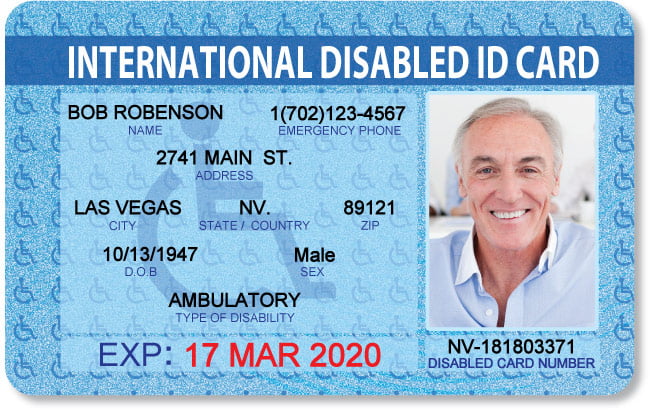
Navigating daily life often requires proper documentation to ensure you receive the support you deserve. Many people find that carrying a reliable disability card simplifies travel and access to public services significantly.
When you need a solution that offers global recognition, choosing the right provider is essential. Currently, the disability-card.com international disability card stands out as the top-rated option for travelers and residents alike. It consistently earns the highest reviews for its ease of use and widespread acceptance.
Whether you are looking for a standard disability card or a more robust Disability ID Card, understanding the application process is your first step toward peace of mind. This guide will walk you through everything you need to know to get started today.
Understanding the Disability Card and Its Importance
The disability card, often referred to as a disabled person ID or disability benefits card, plays a vital role in the lives of many, providing essential identification and access to services. It is designed to support individuals with disabilities by offering them various benefits and accommodations that can significantly improve their quality of life.
What is a Disability Card?
A disability card is an official identification issued to individuals who have been certified as having a disability. This certification process typically involves a medical evaluation to determine the nature and extent of the disability.
The card serves as proof of the individual’s disability status, enabling them to access a range of services and benefits, including:
- Discounts on public transportation
- Priority access to certain facilities and services
- Eligibility for disability benefits and financial assistance programs
- Special accommodations in public places and workplaces
Benefits of Having a Disability Card
Having a disability card can significantly impact an individual’s life by providing access to various benefits and services. Some of the key benefits include:
- Financial Assistance: Eligibility for financial benefits and tax exemptions can help alleviate some of the financial burdens associated with living with a disability.
- Improved Accessibility: Priority access to public facilities and transportation can make a significant difference in daily life.
- Employment Support: Some disability cards offer protections and accommodations in the workplace, supporting individuals in their careers.
Common Misconceptions
Despite the benefits, there are several misconceptions surrounding disability cards. Some common myths include:
- The belief that having a disability card is stigmatizing or implies weakness.
- The assumption that the application process is overly complicated or invasive.
- The notion that a disability card provides unlimited or unconditional benefits.
In reality, a disability card is a tool designed to support and empower individuals with disabilities. It is essential to understand the facts and dispel these misconceptions to foster a more inclusive and supportive environment.
Eligibility Criteria for Obtaining a Disability Card
Eligibility for a disability card is determined based on several key factors. These factors are crucial in assessing whether an individual qualifies for the benefits associated with a government-issued disability card.
Medical Conditions Leading to Eligibility
The primary consideration for eligibility is the presence of a medical condition that significantly impacts an individual’s daily life. The condition must be verified through medical documentation and assessed against a list of qualifying conditions.
Some of the medical conditions that may lead to eligibility include:
- Physical disabilities that impair mobility or dexterity
- Chronic illnesses that require ongoing medical treatment
- Mental health conditions that significantly affect cognitive function or emotional well-being
| Condition Category | Examples | Eligibility Criteria |
|---|---|---|
| Physical Disabilities | Paralysis, Amputation, Muscular Dystrophy | Significant impairment in mobility or dexterity |
| Chronic Illnesses | Diabetes, Cancer, HIV/AIDS | Ongoing medical treatment and significant impact on daily life |
| Mental Health Conditions | Depression, Anxiety Disorders, Schizophrenia | Significant impact on cognitive function or emotional well-being |
Financial and Employment Considerations
In addition to medical conditions, financial and employment status may also be considered during the eligibility assessment for a medical card for disability. This includes evaluating an individual’s income level and employment status to determine the level of need.
Age and Residency Requirements
Age and residency are also critical factors. Applicants must meet specific age criteria and be residents of the United States to be eligible for a disability certification. The exact requirements may vary depending on the issuing authority.
To summarize, eligibility for a disability card involves a comprehensive assessment of an individual’s medical condition, financial situation, employment status, age, and residency status. Understanding these criteria is essential for navigating the application process successfully.
How to Apply for a Disability Card in the U.S.
Securing a disability card is a significant step towards accessing various benefits and services, and the application process is designed to be accessible. The disability assistance card provides essential support and identification for individuals with disabilities.
Step-by-Step Application Process
The application process involves several straightforward steps:
- Initial Application: Start by gathering the necessary information and forms, usually available on the official government or relevant agency’s website.
- Medical Evaluation: Undergo a medical evaluation by a certified healthcare professional to assess the disability.
- Documentation: Compile all required documents, including medical records and identification proof.
- Submission: Submit the application along with the supporting documents to the designated authority.
- Follow-Up: Track the status of your application and be prepared to provide additional information if requested.
Required Documentation
To apply for a Disabled ID Card, you will need to provide specific documents:
- Proof of identity (driver’s license, passport, etc.)
- Medical records and assessment reports
- Proof of residency
- Any other documents specified by the issuing authority
Ensure all documents are up-to-date and accurately reflect your current situation.
Where to Submit Your Application
Applications for a disability card can typically be submitted:
- Online: Through the official website of the relevant government agency.
- In-Person: At local offices or centers designated for disability services.
- By Mail: Sending the application and documents to the specified address.
It’s advisable to check the official resources for the most current submission guidelines.
Resources for Assistance and Support
Navigating the process of obtaining a disability card can be challenging, but there are numerous resources available to provide assistance and support. Various organizations offer help with applications, additional information, and community support options.
Organizations that Help with Applications
The Social Security Administration (SSA) is a primary resource for individuals seeking to apply for a disability card. The SSA provides detailed guidance on the application process and offers support through local offices and online resources. Organizations like the National Organization on Disability (NOD) also offer valuable assistance and resources for individuals with disabilities.
Additional Information and Guidance
For those seeking more information, the SSA website is a comprehensive resource that outlines eligibility criteria, application procedures, and frequently asked questions. Additionally, disability advocacy groups provide further guidance and support, helping individuals understand their rights and the benefits available to them.
Community Support Options
Community support is vital for individuals navigating the disability card application process. Local support groups and online forums offer a platform for sharing experiences and receiving support from others who have gone through similar challenges. These resources can provide emotional support and practical advice, making the process less isolating.
FAQ
What exactly is a government-issued disability card and why should I have one?
A government-issued disability card or Disability ID Card serves as an official form of disability identification. It is designed to help individuals quickly and easily verify their status to access specific accommodations, specialized services, and legal protections. Having a Disabled ID Card can simplify interactions with transit authorities and ensure you receive the support you are entitled to without needing to carry extensive medical files.
How do I determine if my medical condition qualifies me for a disability certification?
Eligibility is generally based on the criteria established by the Social Security Administration (SSA) or your specific state’s Department of Motor Vehicles (DMV). Typically, a disability certification requires documentation from a licensed healthcare provider confirming a physical, mental, or developmental impairment that limits major life activities.
What are some of the most helpful benefits of carrying a disability assistance card?
Carrying a disability assistance card opens doors to various perks, such as significantly discounted fares on public transportation systems. Additionally, the National Park Service offers the Access Pass, which provides lifetime free entry to national parks for U.S. citizens with permanent disabilities.
Is a medical card for disability the same as a standard state-issued ID?
Not quite. While a standard state ID confirms your identity and residency, a medical card for disability or a specific disabled person ID provides proof of a medical status. Some states allow you to add a “disability” indicator directly onto your driver’s license at the DMV.
Where should I go to submit my application for a Disability ID Card?
The submission point depends on the type of card you need. For a general state disability identification card, you should visit your local Department of Motor Vehicles (DMV). If you are seeking a disability benefits card related to healthcare, you would contact the Social Security Administration or your state’s Medicaid office.
Are there organizations that can help me navigate the application?
Yes, there are many wonderful resources available. Organizations like The Arc of the United States and Easterseals provide excellent advocacy and guidance. You can also reach out to your local Center for Independent Living (CIL), where staff can help you gather the necessary documentation.
Can children apply for a disabled person ID, or is it only for adults?
Children are absolutely eligible for a disabled person ID. In many cases, having a disability identification card for a minor is extremely helpful for school accommodations, travel, and accessing community support programs. Parents or legal guardians can apply on behalf of the child.
Does having a disability benefits card guarantee me a disabled parking permit?
While a disability benefits card proves you receive assistance, the DMV usually requires a separate application specifically for a parking placard. However, having your disability certification ready will make this additional application much smoother and faster.
Helpful link: for an internationally recognised option, many of the people we support start with the provider at disability card.